
A Different Measure of Success
What if the purpose of school was not to produce outcomes, but to cultivate human beings?
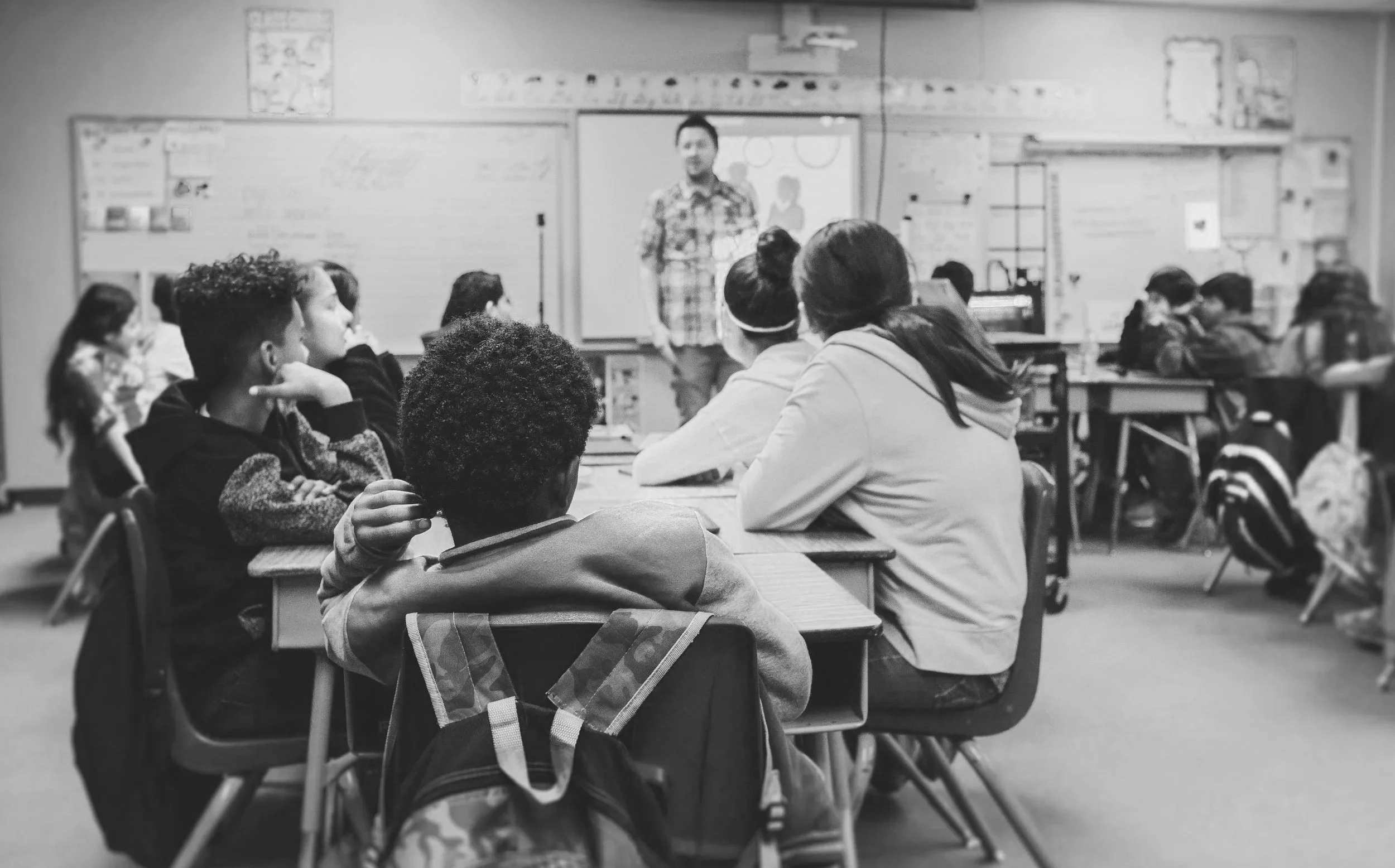
What we are doing is not working.
For too long, schools have operated under a paradigm designed for a different era.
The current mission of the U.S. Department of Education is to promote student achievement and preparation for global competitiveness. Implicit in that phrase is a powerful assumption: if the goal is competition, then preparation must look like competing.
This is how we have built our schools. Students compete for grades. Schools compete for rankings. States compete for standing. And yet the defining challenges of our time — climate change, geopolitical instability, public health crises, technological disruption — are not problems one group can "win."
We need a paradigm shift.
A paradigm is not a policy or a rule. It is the invisible architecture beneath those policies and rules. It determines what we measure, what we reward, and what we prioritize. If we are serious about finding a new path forward in education, we must first pause and examine the paradigms under which we have been operating.
Our current paradigm is defined by a belief that we are preparing kids for future success through our attempts to outperform other countries, states and schools on a test. Those results should come as a by-product of a job well done, not the goal in and of itself. This paradigm, and the angst around it is holding us back. It risks becoming a dangerous self-fulfilling prophecy- one in which fear, comparison, and short-term metrics crowd out the very conditions that lead to genuine success.
It is time for a new paradigm.
Schools built around human flourishing look different.
-
Purpose
Why are we here, where are we going and who are we becoming? When we can define our work individually and collectively with clarity and a clear sense of purpose, we give meaning to our work and we transform effort into investment.
-
Belonging
How do we show up for one another? The ties that bind us within a school matter deeply. Our collective efficacy is built on a foundation of belonging that is strengthened through relationships, trust, and a shared commitment to one another.
-
Growth
Growth is a mindset that helps us be a little better than we were the day before. It begins with the belief that everyone can improve, and that improvement comes through effort, vulnerability, feedback, honesty, and cultures that actively support growth.
-
Presence
Respond vs. react. Mindfulness and self-awareness allow people to see more clearly, make better decisions, and show up for one another with intention.
-
Contribution
Active engagement in something larger than oneself. Agency, character, and the belief that what I do here matters — to this community and beyond.
How will we get there?
In a cooperative paradigm, change would no longer be driven by anxiety over test scores and narrow measures of achievement, but by a deeper understanding of the full scope of habits, dispositions, and competencies that shape future success for kids.
Through this shift, we would move from a paradigm marked by stress and comparison (where student worth is too often judged relative to limited performance metrics) to one centered on growth, development, and human potential. Schools would become cultures intentionally designed to cultivate the full spectrum of strengths students need to thrive.
Imagine if our focus could expand to the fuller picture of development: academic growth, confidence, curiosity, perseverance, relationships, resilience, purpose, and readiness for life. Teachers would collaborate as we work together to develop and promote teaching practices that foster, develop and unlock those skills for kids.
Success would no longer be defined by ranking, but by the steady unfolding of each child’s unique potential.
-
A different kind of membership community built intentionally for school leaders to connect, network, share, and build mutual support to realize school flourishing. Tiered membership provides the level of access right for you.
-
A structured year-long facilitated program designed to provide support, mentorship, and guidance specifically to principals in a small-group setting of peers.
-
A suite of professional development opportunities, trainings, and evidence-based classroom curricula designed to help schools integrate mindfulness into their institutional fabric.
Mindfulness is not a tool; it’s a way of being.
The Ecological Mindfulness philosophy holds that a school is a living system, and that flourishing requires attending to every layer of that ecosystem: the inner life of the leader, the culture of the staff, the emotional climate of the classroom, and the wellbeing of every child within it. Our ecological mindfulness programs are how that philosophy moves from belief into practice. They are available as add-on investments to schools ready to make that commitment.
Rooted in the Calmer Choice legacy (2010–2025): 15 years of evidence-based mindfulness education delivered to thousands K-5 classrooms, we offer a suite of mindfulness-based and accredited PDs, trainings, and access to Calmer Choice’s signature 8-Week Classroom Program curriculum.
Ready to be part of the change?
Join a growing community of principals and school leaders who are building the flourishing movement, one school at a time.